Cetyl Alcohol là một alcohol béo được sử dụng rộng rãi trong các sản phẩm mỹ phẩm và dược phẩm như thuốc đạn, dạng bào chế rắn phóng thích biến đổi, nhũ tương, lotion, kem và thuốc mỡ. Tá dược này được dùng phổ biến trong dược phẩm với các ứng dụng sau:
Trong dạng bào chế rắn phóng thích biến đổi, Cetyl Alcohol có thể dùng như một chất tạo màng chống ẩm cho lớp bao
Trong thuốc đặt, Cetyl Alcohol được sử dụng để làm tăng nhiệt độ nóng chảy của hệ nền thân dầu
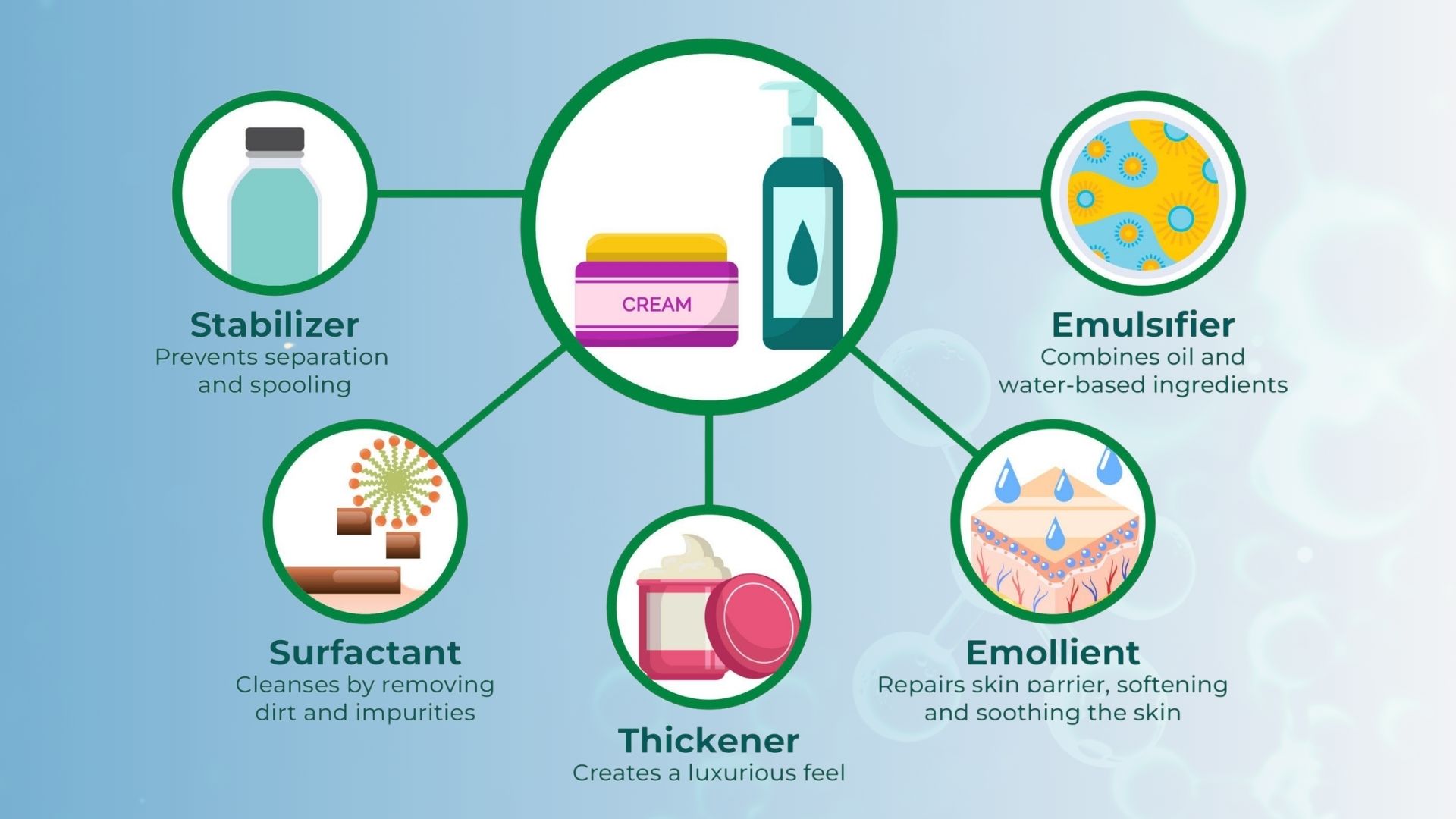
Trong nhũ tương, lotion, kem và thuốc mỡ, Cetyl Alcohol được dùng như một tá dược làm mềm, hấp phụ nước và là chất nhũ hóa trong nhũ tương dầu trong nước hay nước trong dầu. Đặc biệt, khi phối hợp với các chất nhũ hóa thân nước, tá dược này làm tăng đáng kể khả năng nhũ hóa và độ ổn định cho nhũ tương, bao gồm các chế phẩm nhũ tương bán rắn.
2. Thành phần hoá học của Cetyl Alcohol
Tên nguyên liệu: Cetyl Alcohol (Cetanol)
Công thức phân tử : C16H33OH
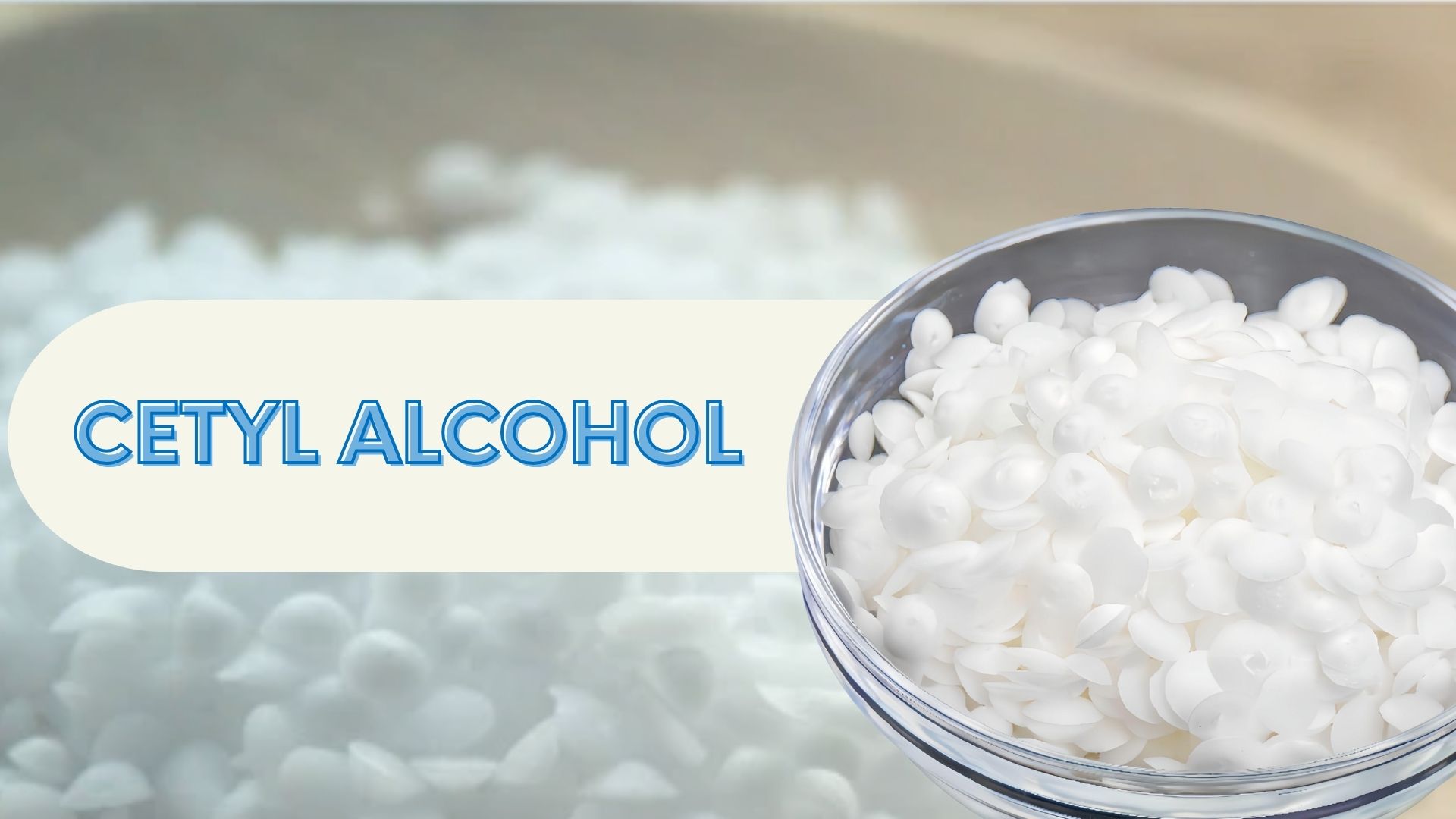
Tính chất: xuất hiện dưới dạng khối, vảy, viên hoặc hạt nhỏ mềm màu trắng, có mùi đặc trưng
Độ tan: thực tế không tan trong nước, dễ tan trong ethanol (95%), ether và dầu
Nhiệt độ nóng chảy : 49°C (thực tế có thể dao động tùy vào độ tinh khiết của tá dược)
Tương kỵ : Cetyl Alcohol không tương thích với các chất oxy hóa mạnh. Ngoài ra, Cetyl Alcohol làm giảm nhiệt độ nóng chảy của Ibuprofen nên lưu ý khi bao phim với viên nhân chứa Ibuprofen.
Nguyên liệu được kiểm soát về:
Định tính và định lượng của Cetyl Alcohol
Khoảng nóng chảy (yêu cầu từ 46°C - 53°C)
Chỉ số acid, chỉ số iod, chỉ số hydroxy và chỉ số xà phòng hóa
3. Ưu điểm của Cetyl Alcohol
Cơ chế bảo vệ đa tầng chống tách lớp: Trong hệ nhũ tương dầu trong nước (O/W), Cetyl Alcohol kết hợp với chất nhũ hóa ưa nước để tạo ra một hàng rào đơn phân tử liên kết chặt chẽ tại bề mặt phân pha. Hàng rào cơ học này ngăn chặn hiệu quả hiện tượng hợp giọt (coalescence) của pha dầu.
Khả năng hấp thụ nước ưu việt:Trong hệ nhũ tương nước trong dầu (W/O), Cetyl Alcohol hoạt động như một chất hấp phụ nước, đồng thời là chất nhũ hóa phụ và tá dược tăng độ nhớt của pha dầu, giúp tăng khả năng tiếp nhận pha nước, cải thiện quá trình nhũ hóa và nâng cao độ ổn định của hệ.
Độ tương thích công thức cao: Cetyl Alcohol dễ dàng phối hợp với nhiều loại dược chất, dầu, sáp, chất nhũ hóa và tá dược khác, mang lại tính linh hoạt cao trong phát triển đa dạng công thức dùng ngoài da.
4. Ứng dụng của Cetyl Alcohol
Trong dược phẩm
Tá dược bao phim trong dạng bào chế rắn phóng thích biến đổi, viên nén bao phim chống ẩm
Trong thuốc đạn đóng vai trò như tá dược làm tăng nhiệt độ nóng chảy cho hệ nền, giúp cải thiện tính chất vật lý và thuận tiện trong quá trình sản xuất và vận chuyển.
Trong thuốc dùng ngoài da đóng vai trò chất làm mềm da, giúp tăng sự thẩm thấu và giảm kích ứng của dược chất
Cetyl Alcohol đóng vai trò chất đồng nhũ hóa mạnh mẽ, giúp làm giảm lượng tá dược nhũ hóa sử dụng và tăng độ ổn định cho các sản phẩm như thuốc mỡ, lotion, kem, nhũ tương.
Trong mỹ phẩm cao cấp
Kem dưỡng da: Tạo kết cấu mịn, tăng độ mềm và khả năng giữ ẩm
Lotion: Ổn định hệ nhũ và cải thiện cảm giác khi sử dụng
Sản phẩm chăm sóc tóc: Giúp tóc mềm mượt, dễ chải
5. Sản phẩm thương mại có sử dụng Cetyl Alcohol
6. Thông tin liên hệ về sản phẩm
Để biết thêm thông tin về nguồn cung Cetyl Alcohol , vui lòng liên hệ với chúng tôi:
Hotline tư vấn: +84 (0) 834 560 500
Email: director@biorichgroup.com
Website: www.biorichgroup.com
Yêu cầu Sample / COA: Vui lòng liên hệ qua email để nhận mẫu thử (Sample) và Certificate of Analysis (COA) mới nhất.
Biorich Group cung cấp Camphor - hoạt chất dược phẩm (API) giúp giảm đau, chống ngứa và tạo cảm giác làm mát. Ứng dụng tối ưu cho thuốc mỡ, dầu gió, cao xoa bóp và mỹ phẩm. Liên hệ ngay để nhận mẫu thử và COA!
Chlorhexidine Gluconate – Giải pháp kháng khuẩn và sát khuẩn bề mặt hiệu quả cao. Ứng dụng rộng rãi trong y tế và chăm sóc cá nhân. Liên hệ Biorich ngay!
Biorich Group
Thông tin
Biorich Group cung cấp nguyên liệu và giải pháp chuỗi cung ứng cho các ngành dược phẩm, dinh dưỡng, chăm sóc sức khỏe, mỹ phẩm, thực phẩm và công nghiệp, với mạng lưới đối tác toàn cầu.
Danh mục chính
Loading...
Video nổi bật
Đăng ký nhận tin
Đăng ký nhận bản tin hàng tuần để nhận thông tin cập nhật mới nhất.

.png)