Overview of cream formulations according to the Vietnamese Pharmacopoeia V, including emulsion systems (D/N and N/D), four groups of formulation components, packaging, and quality requirements.
1. The Role of the Skin and the Multiphase Dispersion Characteristics of Creams
The skin is an essential organ of the human body, serving as a protective barrier against external agents while also contributing to thermoregulation and energy storage. In addition, the skin represents an important route for delivering active pharmaceutical ingredients (APIs) to their intended sites of action. Topical preparations are designed to produce local therapeutic effects ordeliver APIs through the skin and mucous membranes. They offer convenience of administration and mayreduce systemic adverse effects. Depending on the physicochemical properties of the API and the therapeutic objectives, topical preparations can be formulated into various dosage forms, including solutions, suspensions, emulsions, gels, ointments, pastes, and creams.
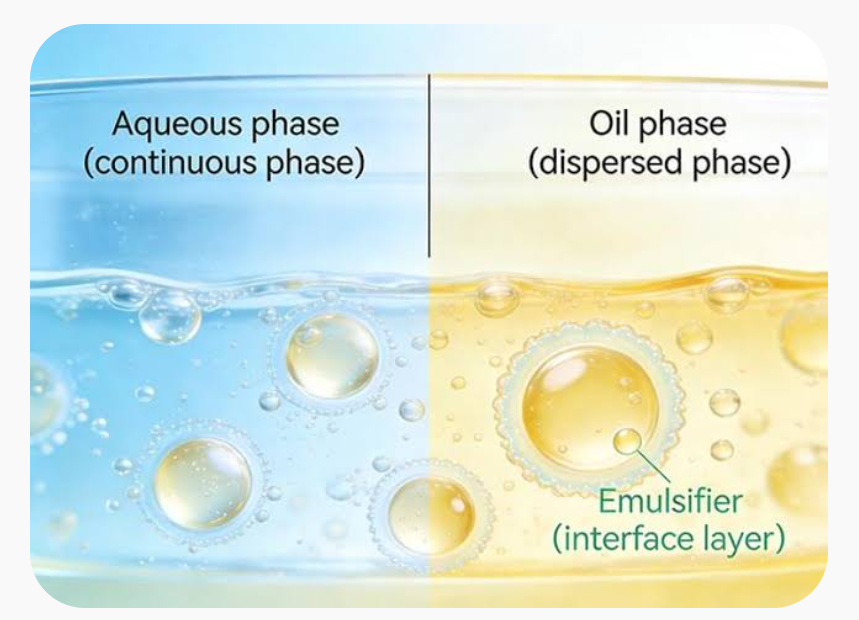
Among these, creams are widely used semisolid dosage forms in topical pharmaceutical preparations. According to the Vietnamese Pharmacopoeia V, creams are multiphase dispersed systems with a very soft and fine consistency, consisting of an oil phase, an aqueous phase, and emulsifying agents. Depending on the continuous and dispersed phases, creams are classified into two main emulsion systems:
Oil-in-Water (O/W) Creams: The oil phase is the dispersed phase, while water serves as the continuous phase. Commonly used emulsifiers include sodium stearate, triethanolamine, polysorbate 80 (Tween 80), poloxamers, and others.
Water-in-Oil (W/O) Creams: The water phase is the dispersed phase, while oil serves as the continuous phase. Commonly used emulsifiers include lanolin, sorbitan monooleate (Span 80), monoglycerides, cetyl alcohol, stearyl alcohol, and others.
2. Main Components of a Complete Cream Formulation
A complete topical cream formulation generally consists of four main components:
2.1. Active Pharmaceutical Ingredients Responsible for the Primary Pharmacological Effect
The API is the main component responsible for producing the primary pharmacological effect of the preparation. Depending on the therapeutic objective, APIs used in creams may belong to various pharmacological classes, including corticosteroids, antifungal agents, antihistamines, antibiotics, antiviral agents, and others.
2.2. Aqueous Phase and Hydrophilic Excipients in Cream Formulations
The aqueous phase serves as a solvent for hydrophilic active ingredients and provides initial moisture to the skin.
Purified Water: A major component of the system, used to dissolve ingredients incorporated into the aqueous phase.
Humectants: Such as glycerin, propylene glycol, and sorbitol. These ingredients retain water within the formulation, prevent the cream base from drying out, and help maintain skin hydration.
Suspending Agents and Viscosity Modifiers: Such as alginate gels, cellulose derivatives, and carbomers, which increase the viscosity of the aqueous phase.
Preservatives: Such as methylparaben, propylparaben, and benzoic acid, which inhibit microbial growth and help prevent microbial contamination in topical pharmaceutical preparations.
Chelating Agents: Such as disodium EDTA, which bind metal ions and help reduce API degradation.
Solubilizing Agents: Such as alcohols, propylene glycol, and surfactants, which are commonly used to improve solubility, enhance skin permeation, and increase API absorption.
2.3. Oil Phase and Excipients for Emolliency and Physical Stability
Solvents: Such as vegetable oils, petrolatum, and liquid paraffin, which dissolve ingredients incorporated into the oil phase.
Emollients: Such as paraffin, cetyl alcohol, and stearyl alcohol, which help maintain skin softness and smoothness by reducing transepidermal water loss.
Antioxidants: Such as BHT and BHA, which help limit oxidation and contribute to API stability.
Thickening Agents: Such as cetyl alcohol, stearyl alcohol, and beeswax. These excipients are important in controlling cream viscosity, adhesion to the skin, and API release.
2.4. Emulsifying Agents and Their Classification Based on HLB Values in Cream Formulations
Emulsifying agents are essential components of cream formulations. They help maintain the physical stability of the emulsion throughout the product's shelf life. Based on the Hydrophilic-Lipophilic Balance (HLB) value, emulsifiers are generally classified into two groups:
Low HLB Values – Lipophilic or Nonpolar Emulsifiers: Typically ranging from 3 to 6, these emulsifiers are suitable for water-in-oil (W/O) emulsions. Examples include lanolin, cetostearyl alcohol, cetyl alcohol, poloxamers, and calcium oleate.
High HLB Values – Hydrophilic or Polar Emulsifiers: Typically ranging from 8 to 18, these emulsifiers are suitable for oil-in-water (O/W) emulsions. Examples include sodium stearate, ceteth-20, polyethylene glycol 40 stearate, and polysorbate 80.
3. Cream Packaging Requirements for Sterilization and Classification of Packaging Materials
Packaging containers intended for cream preparations should be sterilized before use. Common sterilization methods include heat sterilization and sterilization by immersion or washing.
Commonly used packaging containers for creams include:
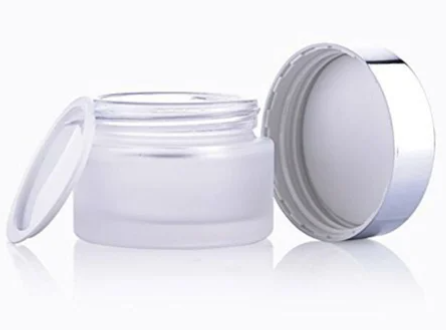
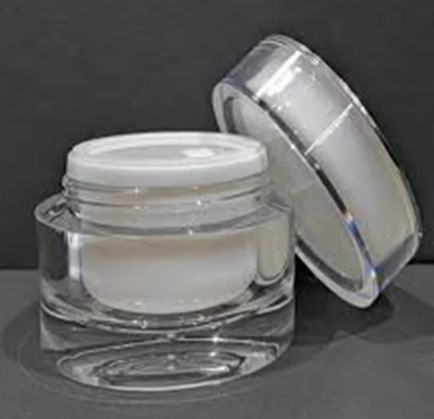
Ceramic or Glass Containers
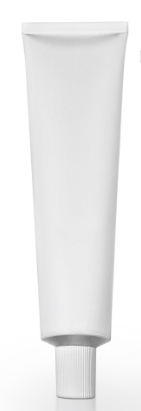
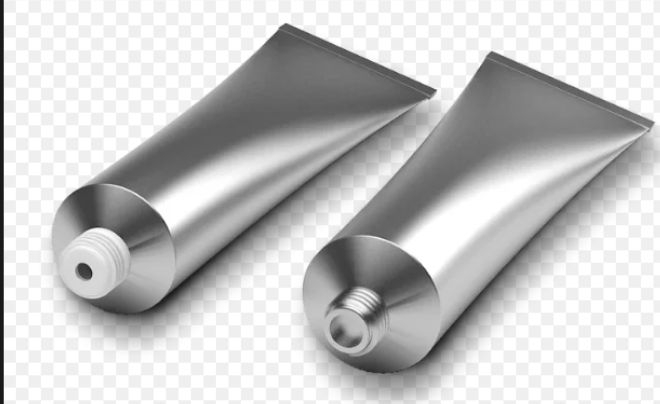
Aluminum Tubes
Plastic Tubes
4. Quality Requirements and Quality Control Tests for Cream Preparations
Essential quality attributes of cream preparations:
Appearance: Cream preparations should be white or off-white and homogeneous.
Identification and Assay: These tests must comply with the requirements specified in the relevant individual monograph.
Homogeneity: The samples are visually examined at a distance of approximately 30 cm. No particles should be observed in at least 3 out of the 4 tested specimens.
Uniformity of Mass: Not more than 1 unit out of 10 tested units may fall outside the limit of ±5% of the average mass.
Microbial Quality: The total aerobic microbial count should be less than 10² CFU/g, and the total fungal count should be less than 10¹ CFU/g. Staphylococcus aureus and Pseudomonas aeruginosa must be absent in 1 g of the preparation.
In addition to the mandatory quality requirements, other tests may be performed to further evaluate the quality and performance of cream preparations.
Viscosity and Rheological Characteristics
Penetration Test: Based on measuring the depth of penetration of a test object into a semisolid preparation, typically using a cone-shaped probe. The test is performed using a penetrometer under specified conditions.
Adhesiveness Test: Measures the time required to separate two solid surfaces, typically two glass plates, with a layer of semisolid preparation placed between them under a specified applied load.
pH: The pH of a cream should be close to the physiological pH of the skin while maintaining optimal emulsion stability and compatibility among excipients, APIs, and preservatives.
Spreadability Test: Measures the area over which a cream spreads under the application of a specified load.
Extrudability: Evaluates the ease with which the cream can be expelled from its packaging tube. This property should be considered and investigated during the early stages of cream formulation development.
In Vitro Drug Release Testing: Two commonly applied in vitro methods include the membrane diffusion method and the gel diffusion method.
Learn more about the components of transdermal patch formulations, including the base layer, active pharmaceutical ingredient, polymer matrix, permeability enhancer, strength-sensitive adhesive, and TTS quality standards.
Analysis of the biological characteristics, endospore formation mechanisms, clinical differences, and probiotic preparations containing Bacillus clausii and Bacillus subtilis.
Learn about Methylene chloride (Dichloromethane – DCM): its physicochemical properties, safety standards, advantages of rapid evaporation, and applications as a film coating solvent and pharmaceutical extractor.
Learn about Silicified Microcrystalline Cellulose (SMCC) – a co-processing solution for MCC with 2% colloidal silicon dioxide that enhances flowability, compressive strength, and optimizes straight forging.
Analysis of the synergistic mechanism between Aluminum Hydroxide, Magnesium Hydroxide, and Simethicone in neutralizing gastric acid, breaking down gas bubbles, and controlling digestive symptoms.
Analysis of technological differences between Dibasic Calcium Phosphate Anhydrous and Dihydrate in terms of physicochemical parameters, surface pH, and application selection of direct compression excipients.
Biorich Group
Thông tin
Biorich Group provides raw materials and supply chain solutions for the pharmaceutical, nutrition, healthcare, cosmetics, food, and industrial sectors, with a global network of partners.
Main category
Loading...
Featured videos
Sign up to receive news
Sign up for our weekly newsletter to get the latest updates.
 (18).png)